Ideal Practices for Upkeep and Applications in the Aluminum Foundry Sector: An In-depth Summary
Keeping equipment in the aluminum foundry market is essential for operational success. Routine evaluations and predictive maintenance can considerably lower downtime and boost safety. Advanced technologies, such as IoT and data analytics, play a critical function in this process. Understanding the full range of ideal techniques needs a better assessment of certain approaches and their influences on performance. What are the essential parts that add to a trustworthy upkeep structure?
Relevance of Regular Maintenance in Aluminum Foundries
Routine maintenance plays a vital duty in the reliable procedure of light weight aluminum factories. By methodically evaluating and servicing devices, foundries ensure peak performance and durability of machinery. Regular upkeep activities, such as cleaning, part, and lubrication substitute, help protect against unforeseen malfunctions that can result in pricey downtime.
Additionally, routine checks boost work environment security by recognizing prospective risks before they rise into significant problems. Devices that is well-maintained runs better, leading to boosted product high quality and reduced waste. In addition, adherence to a structured upkeep schedule can sustain compliance with market laws, consequently cultivating a reputation for dependability and high quality within the market.
Carrying Out Anticipating Maintenance Approaches
Anticipating upkeep techniques take the concepts of routine maintenance a step better by leveraging information analytics and advanced surveillance technologies. In aluminum factories, these methods make it possible for operators to anticipate equipment failures before they happen, consequently lowering unintended downtimes and maximizing functional performance. By making use of sensing units and IoT tools, real-time information can be accumulated on device performance, permitting the identification of prospective issues through predictive analytics.
Optimizing Melting and Putting Procedures
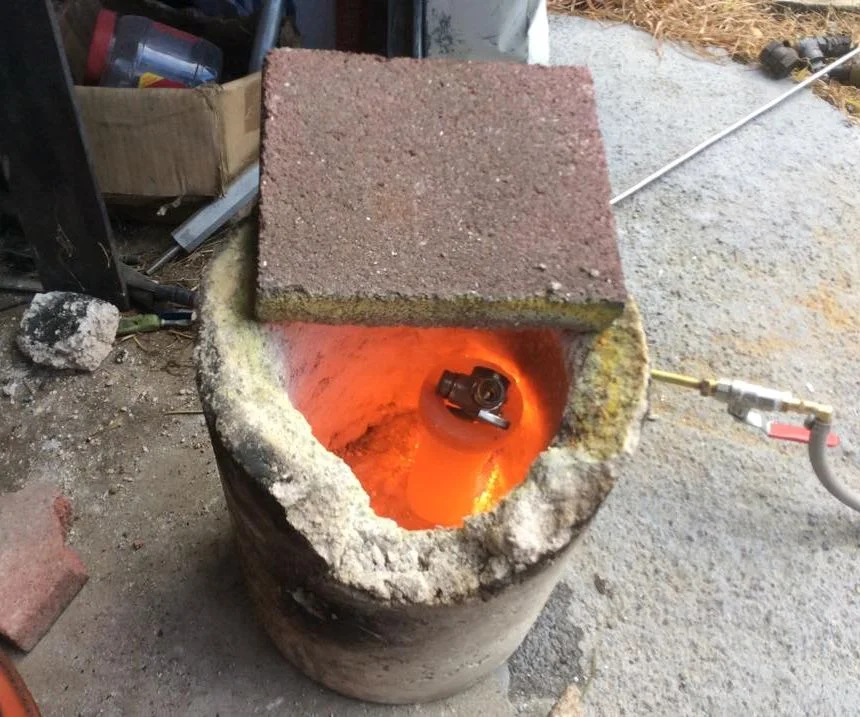
Reliable melting and putting procedures are important for taking full advantage of efficiency and ensuring the quality of aluminum spreadings. To boost these procedures, factories ought to focus on precise temperature level control throughout melting, as this straight impacts the metallurgical buildings of the alloy. Using sophisticated melting technologies, such as induction and resistance melting, can boost power effectiveness and decrease cycle times.
Applying automated putting systems reduces human mistake and keeps consistency in the putting procedure. Proper mold prep work, including adequate preheating, is vital to prevent thermal shock and boost mold long life.
Enhancing Safety And Security Procedures in Foundry Operations
Focusing on safety in aluminum foundry operations is vital for safeguarding employees and ensuring an effective setting. Reliable safety protocols consist of normal training sessions that stress the value of personal protective devices (PPE), such as gloves, helmets, and safety glasses. Additionally, the facility of clear emergency treatments is necessary in handling prospective accidents.
Regular assessments of equipment and machinery help identify risks before they intensify right into serious concerns. Applying a durable coverage system urges employees to connect safety and security concerns without anxiety of consequence. Fostering a culture of safety and security warranties that every worker understands their function in preserving a protected workplace.
Additionally, guaranteeing appropriate visit this site air flow and monitoring air top quality can minimize exposure to dangerous fumes and dirt. By strengthening these methods, aluminum shops can substantially decrease the threat of mishaps and produce an environment where workers really feel valued and safe, inevitably improving total functional performance.
Leveraging Modern Technology for Improved Effectiveness
Utilizing sophisticated innovation has actually ended up being significantly vital for aluminum foundries aiming to enhance operational effectiveness. Automation and robotics play a crucial duty in streamlining production procedures, lowering labor prices, and reducing human mistake. Implementing real-time tracking systems enables the continual assessment of devices performance, making it possible for proactive upkeep and decreasing downtime.
Additionally, the assimilation of data analytics supplies valuable understandings into functional process, promoting far better decision-making and resource allowance. As an example, predictive analytics can recognize possible failures prior to they take place, additional optimizing maintenance timetables.
In addition, adopting advanced melting and spreading innovations boosts power performance and product yield, which are fundamental for sustainability in the market. By accepting these technical advancements, light weight aluminum foundries can not only boost performance however also keep an affordable edge in a significantly demanding market (aluminum foundry). Ultimately, leveraging innovation is crucial in driving advancement and enhancing overall operational effectiveness within the field
Regularly Asked Questions
What Are Common Indications of Equipment Put On in Light Weight Aluminum Foundries?
Typical indications of tools wear in light weight aluminum shops consist of uncommon sounds, reduced performance, raised vibration, overheating elements, leaks, and visible corrosion. These indications frequently indicate the requirement for upkeep or possible substitute to avoid expensive downtime.
Just How Can I Train Team for Effective Maintenance Practices?
To train team for reliable upkeep methods, one can carry out hands-on workshops, create detailed handbooks, encourage mentorship programs, and perform regular assessments to assess abilities and knowledge, making certain all employees recognize maintenance protocols thoroughly.
What Are the Environmental Regulations for Aluminum Foundries?
Light weight aluminum factories go through various environmental laws, including exhausts control, waste monitoring, and resource preservation. Compliance warranties very little environmental influence, advertising sustainability while adhering to regional, nationwide, and global environmental requirements and guidelines.
Exactly How Do Foundries Manage Waste and Recycling of Aluminum?
Factories manage waste and recycling by executing systems for gathering scrap aluminum, making use of innovative splitting up modern technologies, and teaming up with recycling centers to ensure reliable healing procedures, consequently reducing ecological influence and advertising sustainability within the industry.
What Are the Costs Connected With Executing Advanced Technologies?
Carrying out innovative technologies in foundries sustains considerable prices, including preliminary financial investment, training, and maintenance expenses. The long-lasting advantages, such browse this site as boosted performance and lowered waste, usually validate these expenses, leading to improved Website productivity. (aluminum foundry)